Destination
Bangladesh Travel Vaccinations and Health Advice
Bangladesh travel health needs close attention to dengue, typhoid and regional malaria risk. Book local pharmacist-led vaccine advice in Preston.
4.9 Stars On Google
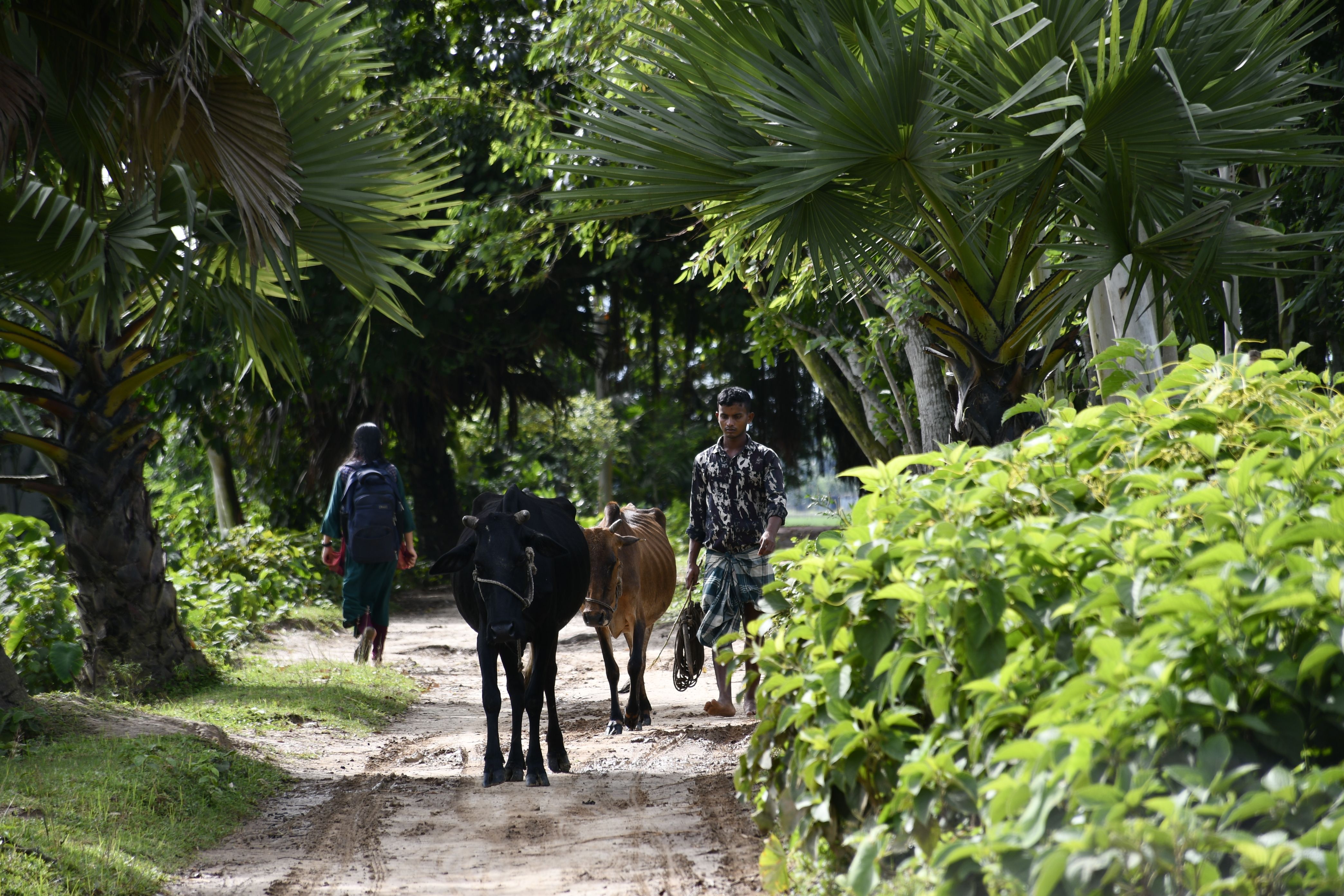
Bangladesh needs a sharper mosquito plan
For Bangladesh, the main travel health issue is often the mix of risks, not one single jab. Dengue can be an urban problem, Japanese encephalitis is more relevant in rural settings, and malaria tablets are usually only considered for specific areas such as the Chittagong Hill Tracts. Preston Clinic in Preston can talk through your route, length of stay and vaccine history before you travel.
Family visits, city stays and rural routes change the advice
Many UK travellers to Bangladesh are visiting family, attending weddings, working, studying or spending time between cities such as Dhaka, Sylhet and Chattogram. That matters because the health profile changes with accommodation, food choices and how far you go outside main urban areas. A short hotel-based trip to Dhaka is a different consultation from six weeks staying with relatives, travelling by road between districts, or spending time near rice fields and rural villages during the monsoon period. Children need particular attention because they are more likely to touch animals, pick up stomach infections and forget mosquito precautions once the day gets busy. Longer stays also make routine vaccine gaps more important.
Malaria is regional; dengue is harder to neatly avoid
Bangladesh has a specific malaria pattern. TravelHealthPro describes high malaria risk in the Chittagong Hill Tract districts, where antimalarial tablets may be advised. For the rest of Bangladesh, including Chittagong city outside those districts, malaria risk is described as very low, so bite avoidance and symptom awareness are usually the focus. Dengue deserves attention because the mosquitoes that spread it bite mainly in the daytime and are often found in towns and cities. Chikungunya and Zika are also mosquito-borne risks in Bangladesh, and Japanese encephalitis can matter for rural travel, especially around rice fields, marshy areas or longer stays, with higher risk described in the northwest and during or just after the monsoon season from June to November. Hepatitis A and typhoid are commonly considered because both are linked to contaminated food and water. Tetanus should be up to date. Hepatitis B may be worth discussing for longer stays, medical work, sexual exposure risk, contact sports, procedures abroad or visiting family. Rabies is present, and pre-travel vaccination is often sensible for children, cyclists, runners, animal work, longer trips or places where prompt treatment may be difficult to reach. Cholera, BCG and other vaccines are more selective. Yellow fever is not a risk in Bangladesh, but a certificate may be required if you arrive from a yellow fever risk country.
Book four to six weeks before travel if you can
Aim for a travel health appointment four to six weeks before departure. That gives enough time to check your UK routine vaccines, discuss Bangladesh-specific vaccines and decide whether malaria tablets are needed for your exact route. Late bookings still have value, especially if you have not checked your vaccine record for years. Bring your itinerary, dates, previous vaccine history and any medical conditions or medicines. The consultation should cover where you will sleep, whether you are visiting relatives, rural districts, the Chittagong Hill Tracts, or travelling during the monsoon period. Pack a reliable insect repellent, use covered clothing when practical, and treat mosquito control as a daytime and night-time habit. For food and water, choose freshly cooked food, be cautious with ice and untreated water, and travel with oral rehydration sachets.
Local advice before Bangladesh
If Bangladesh is on your calendar, book a travel consultation early enough to make sensible decisions without rushing. Preston Clinic can review your vaccine history, route and malaria risk, then talk you through the options in plain English. You can book online or call 01772491185. We also see travellers coming across from Blackburn when a local appointment is easier than waiting.
Frequently asked
Do I need vaccines for this trip?
Most travellers should be up to date with routine UK vaccines. The exact additional vaccines depend on your itinerary and health history — bring details of where you'll go so we can give tailored guidance.
How far in advance should I book my appointment?
Aim for 4–6 weeks before travel to allow time for multi-dose vaccines and any course of antimalarials. If you're leaving sooner, still contact us — we can usually provide useful advice and single-dose vaccines at short notice.
Will I need antimalarial tablets?
It depends on where you're going. Tell us your exact itinerary and we'll assess whether you need an antimalarial and which drug suits you.
I'm pregnant — is travel safe?
Pregnancy changes which vaccines and medicines are safe. Contact us early so we can review your plans and give personalised, up-to-date advice.
How do I book?
Book online at /booking or call 01772491185. During booking we'll ask about your destination and travel dates so we can advise the right vaccine and timing.