Destination
Colombia Travel Vaccinations and Health Advice
Colombia trips can involve yellow fever zones, daytime mosquito risks and altitude in Bogotá. Book pharmacist-led travel vaccine advice in Preston.
4.9 Stars On Google
Colombia needs a map-based health check
Yellow fever is often the first fork in a Colombia travel health consultation: your risk can change with altitude, region and even internal travel. At Preston Clinic in Preston, we look at your route before talking vaccines, malaria tablets or mosquito precautions. This page gives you the practical version: what usually matters for UK travellers, what is lower risk, and what to bring to an appointment.
Cities, coast, jungle and altitude
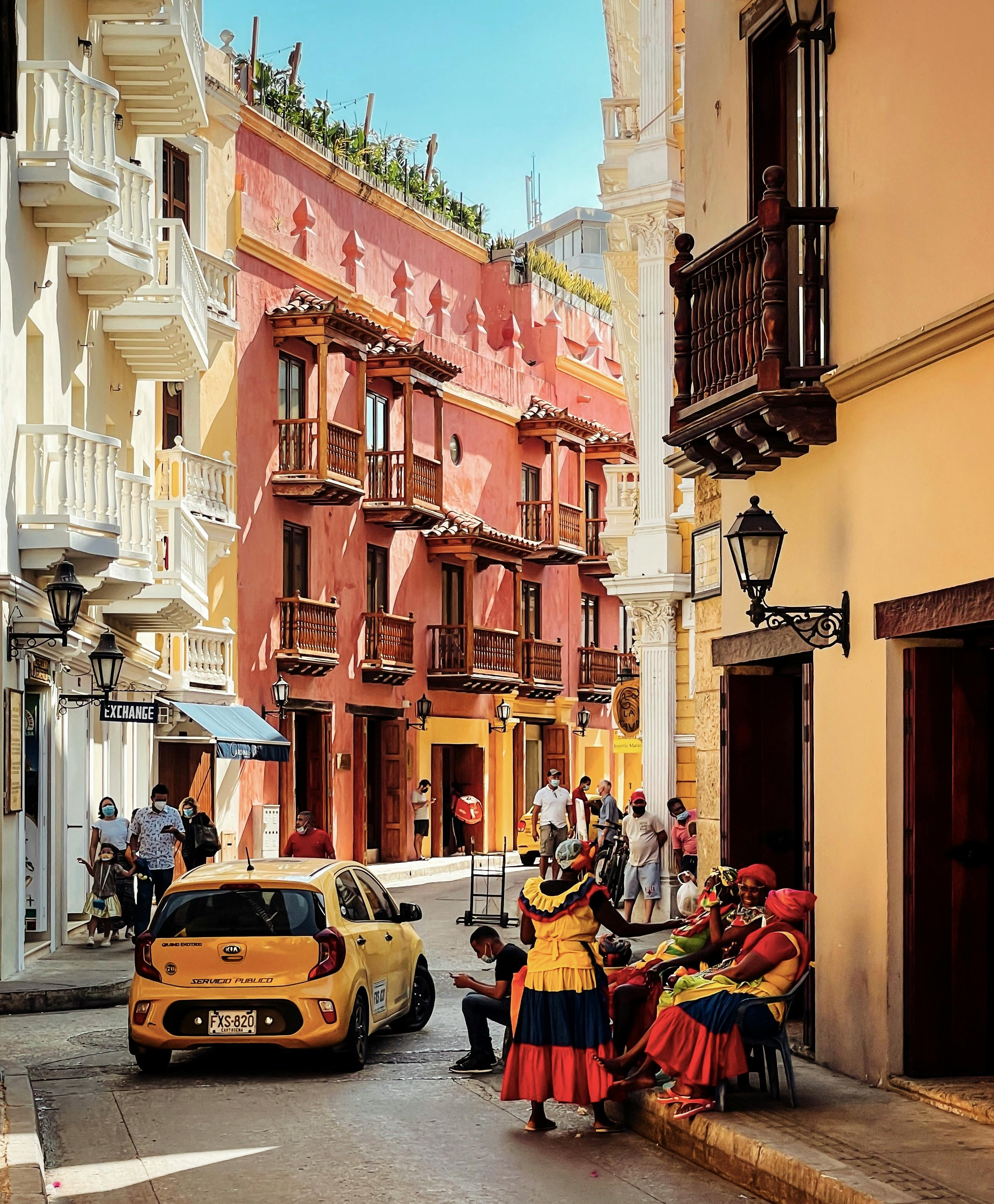
Most Colombia itineraries are mixed. You may spend a few days in Bogotá, Medellín or Cartagena, then fly on to coffee-growing areas, rural towns, river regions, forest trips or family visits. Those choices change the health picture. A short city-and-coast holiday is not the same as cycling, trekking, volunteering, staying in basic accommodation or travelling for several weeks below 1,600 metres. Bogotá also sits at about 2,644 metres, high enough for some people to notice headache, breathlessness or disturbed sleep on arrival. Bring the actual plan if you have it. Dates, internal flights, rural stays and planned activities are more useful than a country name on its own.
Yellow fever, daytime mosquitoes and Bogotá’s altitude
Yellow fever is the Colombia issue that needs careful route checking. UK guidance reports transmission risk in parts of the country, with vaccination recommended for many travellers aged 9 months or over going to areas below 2,300 metres. It is not usually recommended for trips only to Bogotá or areas above 2,300 metres, San Andrés y Providencia, or travel only to Barranquilla, Cali, Cartagena or Medellín. Certificate rules may also apply if you arrive from certain countries, including Brazil, Angola, Democratic Republic of the Congo and Uganda, or transit through them for more than 12 hours. Hepatitis A is commonly recommended for previously unvaccinated travellers because it spreads through contaminated food and water. Typhoid is also relevant for many Colombia trips, particularly longer stays, rural travel, visits to friends and relatives, or where food hygiene may be variable. Tetanus should be up to date. Malaria risk is generally low in rural areas below 1,600 metres and very low above 1,600 metres and in Cartagena. Tablets may be considered for some higher-risk travellers or longer rural stays, but bite avoidance still matters. Dengue, Zika, chikungunya and Oropouche are mosquito or biting-insect risks in Colombia. Some bite during the day. Rabies is also present, so animal bites and scratches need urgent medical advice, even if you were vaccinated before travel.
What to bring to your appointment
Book a travel health appointment 4 to 6 weeks before you go if you can. That leaves time for vaccines that need more than one dose and gives you a better chance of leaving with a clear plan. Leaving soon? Still come in; late advice is usually better than no advice. Bring your itinerary, previous vaccine records, medical history, regular medicines and any pregnancy or fertility plans. We will check routine UK vaccines such as MMR and tetanus-containing boosters, then look at Colombia-specific risks: yellow fever areas, malaria risk, food and water precautions, altitude in Bogotá, and animal exposure. Pack bite prevention seriously. Use repellent, cover skin at peak biting times, choose screened or air-conditioned rooms where possible, and take extra care around dawn, dusk and daytime mosquito activity.
A local appointment before you fly
Colombia travel health advice is easiest when your route is in front of us. Preston Clinic can talk through the vaccines and precautions that fit your plans, then arrange suitable jabs where appropriate. If you are in Preston or coming across from Blackburn, book online at /booking or call 01772491185 before you travel.
Frequently asked
Do I need vaccines for this trip?
Most travellers should be up to date with routine UK vaccines. The exact additional vaccines depend on your itinerary and health history — bring details of where you'll go so we can give tailored guidance.
How far in advance should I book my appointment?
Aim for 4–6 weeks before travel to allow time for multi-dose vaccines and any course of antimalarials. If you're leaving sooner, still contact us — we can usually provide useful advice and single-dose vaccines at short notice.
Will I need antimalarial tablets?
It depends on where you're going. Tell us your exact itinerary and we'll assess whether you need an antimalarial and which drug suits you.
I'm pregnant — is travel safe?
Pregnancy changes which vaccines and medicines are safe. Contact us early so we can review your plans and give personalised, up-to-date advice.
How do I book?
Book online at /booking or call 01772491185. During booking we'll ask about your destination and travel dates so we can advise the right vaccine and timing.