Destination
Peru Travel Vaccinations and Health Advice
Planning Peru? Altitude, yellow fever areas, Amazon malaria risk and food hygiene all need a proper look. Book travel health advice in Preston.
4.9 Stars On Google
Altitude and Amazon risk shape the plan
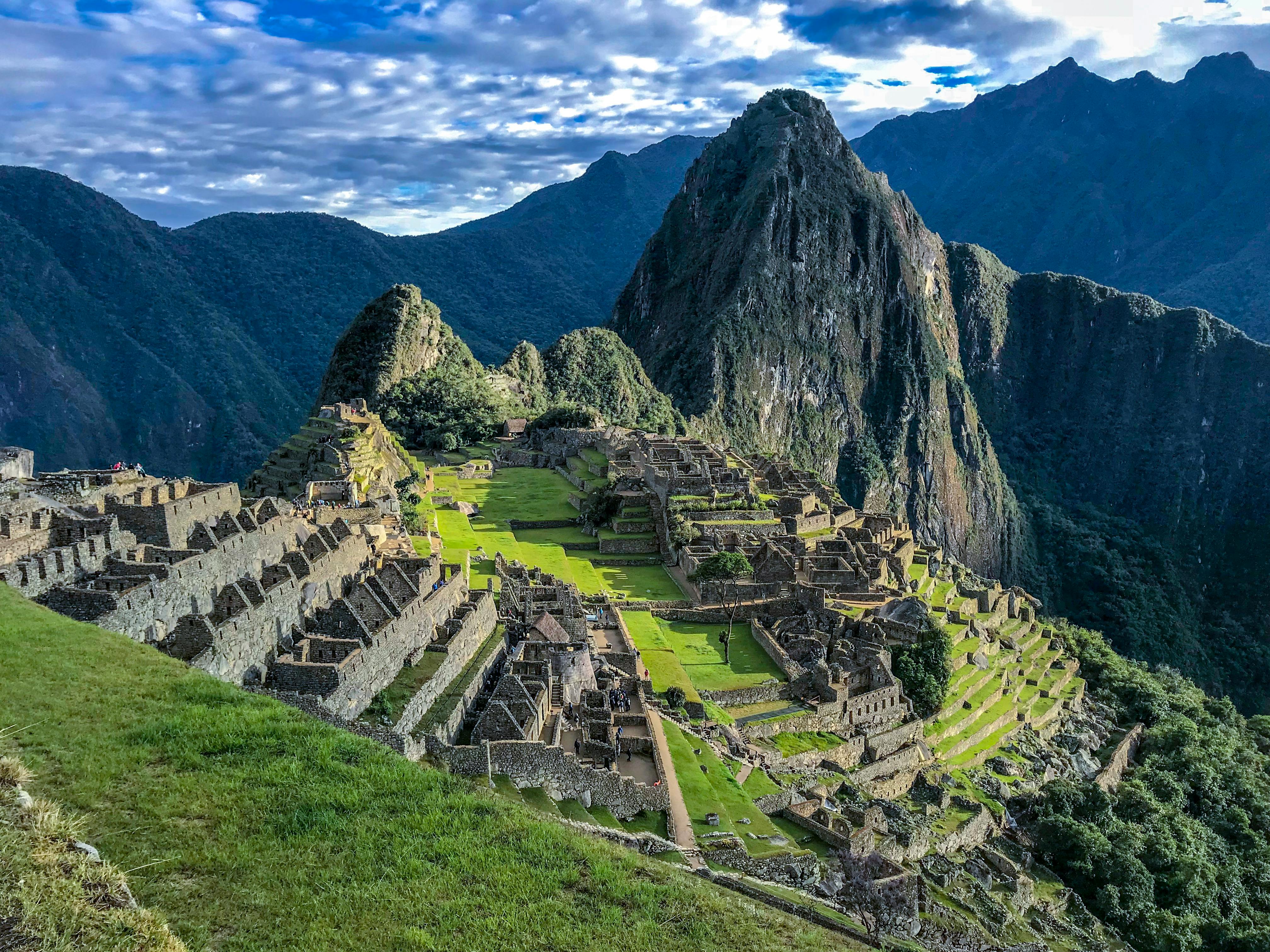
For many UK travellers, Peru is less about one single vaccine and more about geography. Lima, Cusco, Machu Picchu, the Inca Trail and the Amazon do not carry the same health risks. Altitude can matter before mosquitoes do. Yellow fever advice changes once you move into lower-elevation rainforest regions. At Preston Clinic in Preston, we use your actual route, dates and medical history to map out what is worth doing before you fly.
City stays, high passes and rainforest routes
People travel to Peru for several very different trips. Some stay mainly in Lima, with short internal flights and organised day tours. Others build the journey around Cusco, the Sacred Valley, Machu Picchu and multi-day trekking, where sleeping altitude and ascent speed become part of the health plan. A smaller group heads into Amazon regions such as Loreto, Madre de Dios or areas near the borders with Brazil and Bolivia, where mosquito-borne infections need more attention. The practical point is simple: a two-week classic Peru itinerary is not assessed in the same way as a month of rural travel, volunteering, fieldwork or visiting family. Children, pregnancy, older age and long-term conditions also shift the advice.
Altitude first, then yellow fever and bite risk
Peru’s distinctive health issue is altitude. Cusco sits at around 3,399 metres, Puno is higher, and parts of the Inca Trail climb above 4,000 metres. Acute mountain sickness can affect fit people as well as unfit people. Headache, nausea, poor sleep and breathlessness after ascent should be taken seriously, especially if symptoms worsen rather than settle. Hepatitis A is commonly recommended for previously unvaccinated travellers because it spreads through contaminated food and water. Tetanus should be up to date, particularly if you will trek, cycle or spend time away from good medical facilities. Typhoid vaccination is often discussed for Peru, especially for longer trips, rural stays or situations where food hygiene may be uncertain. Yellow fever is the vaccine that needs itinerary detail. It is generally relevant for several lower-altitude eastern and Amazon regions, including areas such as Loreto, Madre de Dios, Ucayali and parts of Cusco region below 2,300 metres. It is not usually advised for itineraries limited to Lima, Cusco city, Machu Picchu or the Inca Trail. Some people cannot safely have this vaccine, so it needs proper screening. Malaria risk is low and focused mainly in the Amazon basin, especially Loreto and other rural areas below 2,000 metres. Many travellers need bite avoidance rather than tablets, though antimalarials may be considered for higher-risk people or more remote itineraries. Dengue, Zika and Oropouche are also mosquito-borne concerns, so daytime bite prevention matters. Rabies is present, with pre-travel vaccination worth discussing for children, runners, cyclists, long stays and remote travel.
Four to six weeks gives you room
Book your travel consultation four to six weeks before departure if you can. That leaves time to review your UK routine jabs, discuss hepatitis A, typhoid, tetanus boosters, yellow fever suitability and any extra precautions linked to your route. If you are leaving sooner, still come in. Some protection and practical advice can be arranged late. Bring your itinerary, including internal flights, trekking dates, jungle lodges, volunteering plans and the highest places you expect to sleep. We will also ask about pregnancy plans, immune system problems, previous vaccine reactions and regular medicines. Pack repellent, cover arms and legs when mosquitoes are active, and be careful with untreated water, salads, ice and food that has been standing around. For altitude, build in acclimatisation days and avoid racing from sea level to high sleeping altitude if your schedule allows.
Local advice before Peru
Peru travel health advice is most useful when it is tied to your route, not a country label. If you are planning the Amazon, high-altitude trekking or a family trip with several stops, book online at /booking and bring the details with you. Preston Clinic at Frenchwood Pharmacy is also convenient if you are travelling in from Blackburn or Blackpool.
Frequently asked
Do I need vaccines for this trip?
Most travellers should be up to date with routine UK vaccines. The exact additional vaccines depend on your itinerary and health history — bring details of where you'll go so we can give tailored guidance.
How far in advance should I book my appointment?
Aim for 4–6 weeks before travel to allow time for multi-dose vaccines and any course of antimalarials. If you're leaving sooner, still contact us — we can usually provide useful advice and single-dose vaccines at short notice.
Will I need antimalarial tablets?
It depends on where you're going. Tell us your exact itinerary and we'll assess whether you need an antimalarial and which drug suits you.
I'm pregnant — is travel safe?
Pregnancy changes which vaccines and medicines are safe. Contact us early so we can review your plans and give personalised, up-to-date advice.
How do I book?
Book online at /booking or call 01772491185. During booking we'll ask about your destination and travel dates so we can advise the right vaccine and timing.