Destination
Philippines travel vaccinations and health advice
Dengue, rabies and rural mosquito risks matter more than malaria for many Philippines trips. Book practical travel vaccine advice in Preston.
4.9 Stars On Google
Mosquitoes shape this briefing
For the Philippines, the health conversation usually starts with mosquitoes, not malaria tablets. Dengue is a real consideration in towns and cities, Japanese encephalitis can matter for rural stays, and malaria risk is limited to specific low-risk rural areas. Preston Clinic in Preston talks through the route you are actually taking, the time you have before departure, and which vaccinations are sensible rather than automatic.
How your route changes the advice
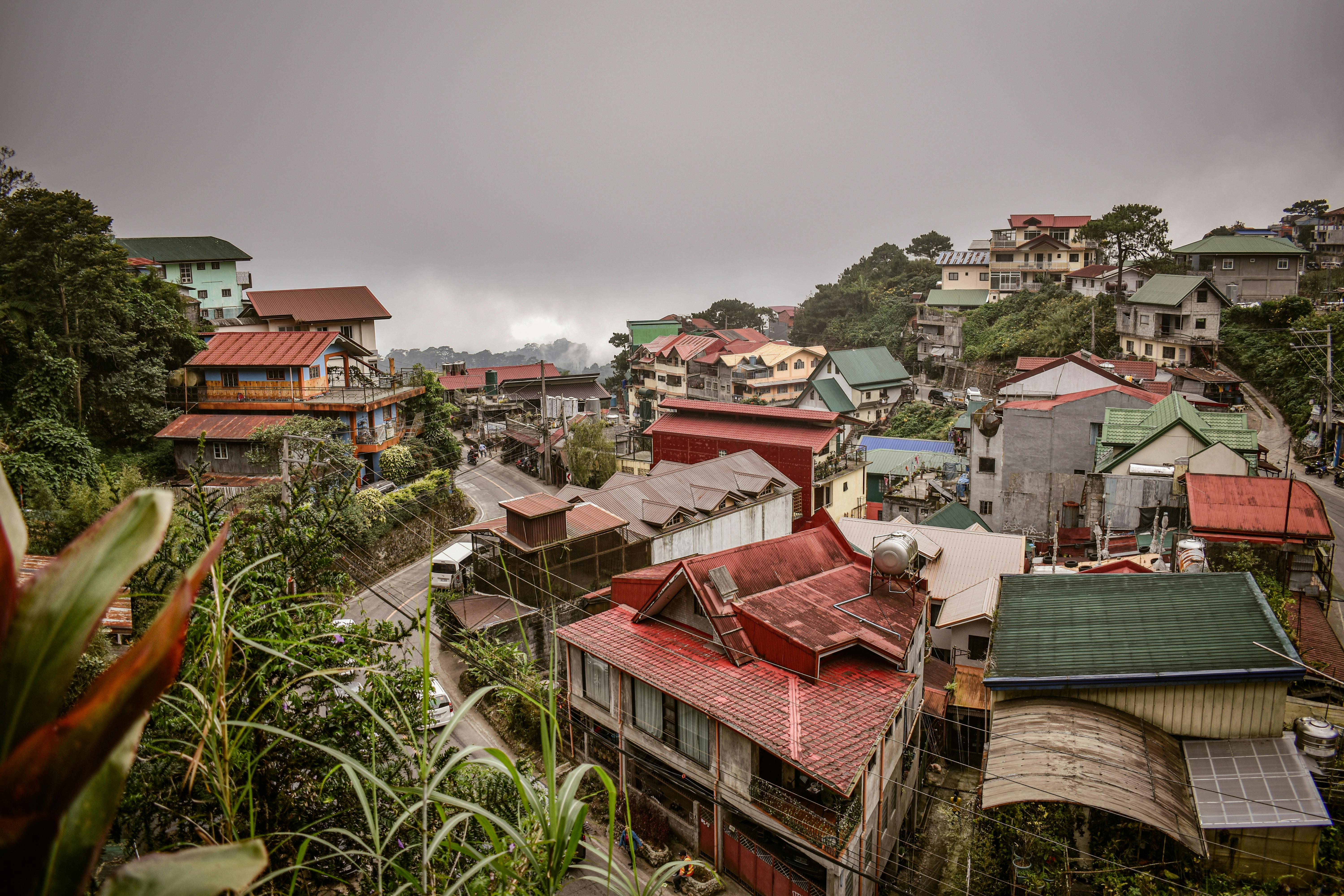
Most UK travellers go to the Philippines for a mix of city time, islands, diving, family visits, volunteering, work or longer backpacking routes. Manila and Cebu feel very different from rural Palawan, Mindanao, Mindoro or smaller farming communities, at least from a travel health point of view. Short resort-style trips usually raise food, water, sun, bites and routine vaccine questions. Longer stays, rural accommodation, visiting friends and relatives, contact with animals, or uncertain plans bring more into the discussion. Children need a closer look too, mainly because they are more likely to touch animals and less likely to mention a scratch or lick straight away.
Daytime dengue, rural JE and a limited malaria picture
Dengue is one of the more practical risks to think about for the Philippines. The mosquitoes that spread it often bite during the day and are common around towns and cities, so repellent is not just an evening habit. Zika risk is also recognised, which matters particularly if you are pregnant, travelling with a pregnant partner, or planning pregnancy soon after the trip. Hepatitis A is commonly recommended for previously unvaccinated travellers because it spreads through contaminated food and water. Typhoid is also often considered, especially for longer stays, family visits, lower-budget travel or places where food hygiene may be uncertain. Tetanus should be up to date. Hepatitis B may be worth discussing for longer stays, sexual exposure, contact sports, medical or dental treatment abroad, or work involving blood or body fluids. Rabies is present in domestic animals, and bats may carry related viruses. Pre-travel rabies vaccination is not needed by everyone, but it deserves attention for children, cyclists, runners, long stays and rural routes where urgent treatment may be harder to reach. Japanese encephalitis occurs countrywide and risk is considered year-round. It is usually more relevant for rural stays, rice-growing areas, pig farming areas, repeat travel or trips of a month or more. Malaria is different: risk is low in rural areas below 600 metres on Luzon, Mindanao, Mindoro and Palawan, and not considered a risk in cities or on Boracay, Bohol, Cebu, Leyte and some other islands. Bite avoidance still matters.
Give yourself four to six weeks if you can
Book a travel health appointment four to six weeks before you leave. That gives time to check your UK routine vaccinations, plan any recommended travel jabs, and talk through tablets or bite precautions without rushing. If you are leaving sooner, still book; a late consultation can still improve your preparation. Bring your itinerary, even if it is rough. A useful Philippines consultation should cover city and island stops, rural nights, family visits, animal contact, pregnancy plans, existing medical conditions and the standard practical issues: food and water choices, diarrhoea self-care, mosquito bite avoidance, heat, sun exposure and travel insurance. If you are trekking to higher areas, altitude advice may also be relevant.
Local advice before you fly
Philippines travel health advice is easiest when it is based on your actual route, not a country name alone. You can book online with Preston Clinic or call 01772491185 if you want to check appointment availability. We see travellers from Preston, Blackburn and Blackpool, and appointments take place at Frenchwood Pharmacy, 1 Ruskin Street, PR1 4NA.
Frequently asked
Do I need vaccines for this trip?
Most travellers should be up to date with routine UK vaccines. The exact additional vaccines depend on your itinerary and health history — bring details of where you'll go so we can give tailored guidance.
How far in advance should I book my appointment?
Aim for 4–6 weeks before travel to allow time for multi-dose vaccines and any course of antimalarials. If you're leaving sooner, still contact us — we can usually provide useful advice and single-dose vaccines at short notice.
Will I need antimalarial tablets?
It depends on where you're going. Tell us your exact itinerary and we'll assess whether you need an antimalarial and which drug suits you.
I'm pregnant — is travel safe?
Pregnancy changes which vaccines and medicines are safe. Contact us early so we can review your plans and give personalised, up-to-date advice.
How do I book?
Book online at /booking or call 01772491185. During booking we'll ask about your destination and travel dates so we can advise the right vaccine and timing.