Destination
Pakistan Travel Vaccinations and Health Advice
Plan for Pakistan’s polio rules, typhoid, malaria and mosquito risks. Book pharmacist-led travel health advice in Preston before you go.
4.9 Stars On Google
Polio paperwork comes first
Polio rules make Pakistan different from many South Asia trips. If you stay for four weeks or longer, you may need proof of polio vaccination on an International Certificate of Vaccination or Prophylaxis before leaving Pakistan. Typhoid also deserves proper attention because Pakistan has had extensively drug-resistant typhoid. At Preston Clinic in Preston, we talk through the route, length of stay, family visits, rural travel and vaccine history so you know what needs attention before you fly.
Family visits, city stays and northern routes all change the health picture
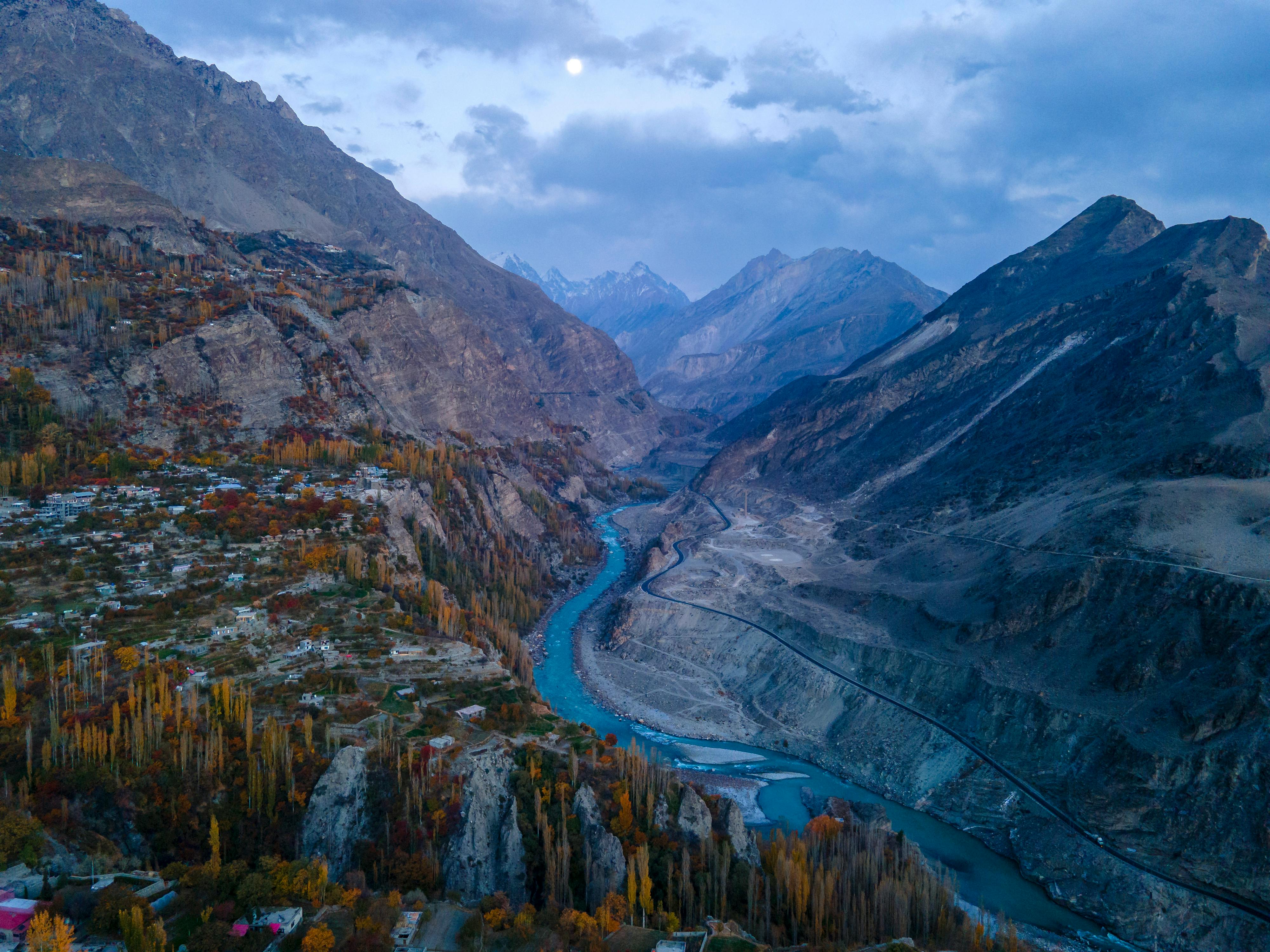
Many UK travellers go to Pakistan for family visits, weddings, work, religious travel or longer stays with relatives. That often means eating in homes, travelling between cities and spending time outside the hotel-and-driver pattern used on shorter business trips. Karachi, Lahore and Islamabad bring the usual urban issues: food hygiene, daytime mosquitoes, air pollution and road risk. Rural Punjab, Sindh, Khyber Pakhtunkhwa and Balochistan can add patchier sanitation, animal exposure and slower access to medical care. Trips into Gilgit-Baltistan or other high mountain areas bring a different problem again: altitude. The advice for a two-week city visit will not look the same as a six-week family stay with side trips to rural districts.
Polio and typhoid shape the advice
Pakistan is one of the countries where polio advice needs careful checking, not a quick glance. All travellers should be up to date with their UK polio schedule. If you are staying in Pakistan for four weeks or more, proof of a polio vaccine recorded on an ICVP, given 4 weeks to 12 months before departure from Pakistan, may be needed when you leave. Hepatitis A is commonly recommended for previously unvaccinated travellers because it spreads through contaminated food and water. Typhoid vaccination is also strongly relevant for most Pakistan trips, especially family visits, longer stays, children and travel where food hygiene is less predictable. Pakistan’s history of extensively drug-resistant typhoid makes prevention particularly important, as treatment options can be more limited. Tetanus should be up to date. Hepatitis B may be worth discussing for longer stays, medical or dental treatment, contact sports, new sexual partners or work involving blood or body fluids. Rabies is present, with dogs the main concern; children, cyclists, runners and people staying away from good medical access should ask about pre-travel rabies vaccination. Malaria risk is generally low below 2,000 metres and very low above that, so bite avoidance matters for everyone and tablets are usually reserved for higher-risk situations after assessment. Dengue, Zika and chikungunya are also mosquito-borne concerns, with daytime bites especially relevant. Japanese encephalitis is less commonly needed, but may be considered for rural exposure, including parts of Sindh, particularly around the June to October rainy season.
Four to six weeks gives you room
Book a travel health consultation 4 to 6 weeks before travel if you can. That leaves time to check your routine UK vaccines, plan any travel jabs, and deal with certificate timing if your stay reaches the four-week polio threshold. Short notice is still worthwhile. Some protection may still be possible, and you can get clear advice on bite avoidance, diarrhoea plans and what to do after an animal bite. Bring your itinerary, previous vaccine records and any regular medicines. Mention pregnancy, immune suppression, significant medical conditions, planned mountain travel and whether you will be visiting friends or relatives. For Pakistan, we also talk through food and water habits: bottled or treated water, careful hand hygiene, cautious street food choices, and carrying oral rehydration salts for diarrhoea.
Get the Pakistan details checked locally
Pakistan travel health advice is practical, but the details matter: polio paperwork, typhoid risk, mosquito exposure, altitude and the length of your stay. You can book online with Preston Clinic or call 01772491185 to arrange an appointment. We also see travellers from Blackburn who want a local pharmacist-led travel clinic before visiting Pakistan.
Frequently asked
Do I need vaccines for this trip?
Most travellers should be up to date with routine UK vaccines. The exact additional vaccines depend on your itinerary and health history — bring details of where you'll go so we can give tailored guidance.
How far in advance should I book my appointment?
Aim for 4–6 weeks before travel to allow time for multi-dose vaccines and any course of antimalarials. If you're leaving sooner, still contact us — we can usually provide useful advice and single-dose vaccines at short notice.
Will I need antimalarial tablets?
It depends on where you're going. Tell us your exact itinerary and we'll assess whether you need an antimalarial and which drug suits you.
I'm pregnant — is travel safe?
Pregnancy changes which vaccines and medicines are safe. Contact us early so we can review your plans and give personalised, up-to-date advice.
How do I book?
Book online at /booking or call 01772491185. During booking we'll ask about your destination and travel dates so we can advise the right vaccine and timing.