Destination
Saudi Arabia Travel Health and Vaccination Advice
Planning Hajj, Umrah or a wider Saudi trip? Check ACWY rules, dengue areas, food and water risks, malaria zones and booking advice in Preston.
4.9 Stars On Google
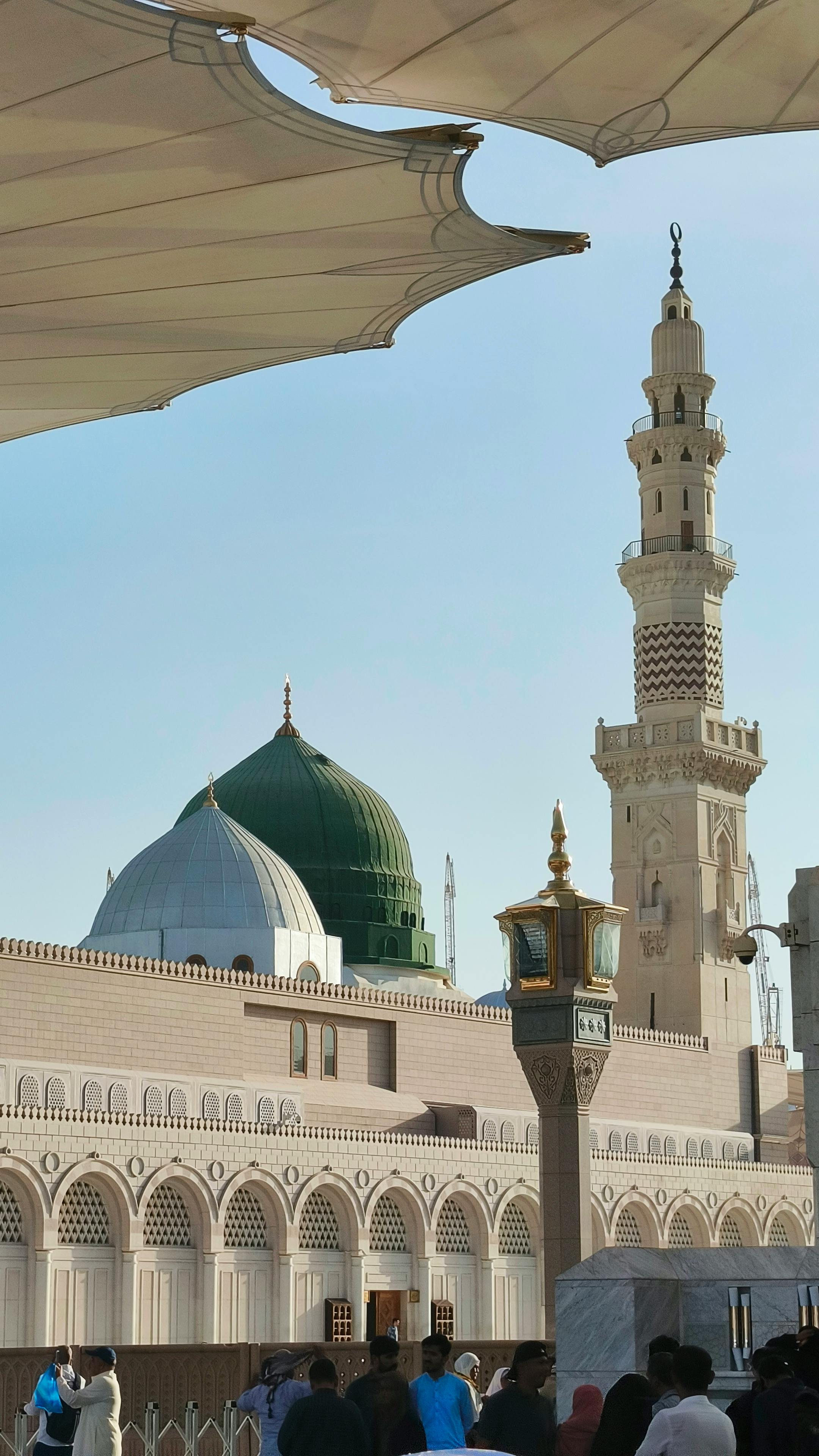
Pilgrimage paperwork changes the health planning
For many UK travellers, Saudi Arabia is not a complicated vaccine destination. The exception is important: Hajj and Umrah come with specific meningococcal ACWY certificate rules, and the crowding, heat and close contact around pilgrimage can change the risk picture. Preston Clinic in Preston can check what applies to your route, dates and medical history, including malaria zones, dengue areas, food and water risks, and whether your routine UK jabs need updating before you travel.
Pilgrimage, work trips and family visits carry different risks
People travel to Saudi Arabia for very different reasons. Some are going for Hajj or Umrah, where large crowds, shared transport, intense heat and official vaccination paperwork become central. Others are visiting family, working in Riyadh, Jeddah or the Eastern Province, or taking a shorter city-based trip with hotel accommodation and organised transport. Those differences matter clinically. A five-day business trip to Riyadh is usually a different health discussion from a pilgrimage involving Makkah, Madinah and long periods in crowded settings. Longer stays, rural travel, visiting relatives, contact with animals, or onward travel through another country can all alter what vaccines, bite precautions and certificates are worth checking before departure.
ACWY certificates, dengue cities and a small malaria map
The Saudi Arabia travel health conversation often starts with meningococcal ACWY. Proof of ACWY vaccination is a visa requirement for Hajj and Umrah pilgrims and seasonal workers, and it is also recommended for personal protection because meningococcal disease spreads more easily in crowded settings. If you are travelling for pilgrimage, bring your dates and paperwork requirements to the consultation. Routine UK vaccinations should be up to date, including MMR and tetanus-containing boosters where relevant. Hepatitis A is commonly considered when food and water hygiene may be uncertain, especially for longer stays, visiting family, basic accommodation or repeated travel. Typhoid may also be discussed for similar reasons. Hepatitis B can matter for longer stays, sexual exposure, medical or dental treatment abroad, contact sports, or work involving blood or body fluids. Rabies is a recognised risk in Saudi Arabia, mainly through bites or scratches from infected animals. Pre-travel rabies vaccination is not needed by every visitor, but it is worth discussing for children, runners, cyclists, longer stays and trips where access to prompt treatment may be limited. Dengue risk is reported in Al Madinah, Jizan and Makkah provinces, including Mecca and Jeddah, so daytime mosquito bite avoidance still matters. Malaria risk is low and limited mainly to south-western areas near the Yemen border, including parts of Asir below 2,000 metres. It is not considered a risk in Jeddah, Makkah, Medina, Riyadh or Ta’if. MERS-CoV has also been reported in Saudi Arabia; avoid contact with camels and raw camel products, particularly if you are older, pregnant or have long-term health conditions.
Bring your itinerary, not just the country name
Try to book a travel health appointment four to six weeks before departure. That gives time to check routine immunisations, discuss Saudi Arabia-specific vaccines, and complete any certificate requirements. If you are travelling sooner, an appointment can still be useful, especially for Hajj or Umrah paperwork. For pilgrimage, ACWY certificate details matter. The conjugate vaccine should usually be given at least 10 days before travel and within the required validity period, with the vaccine details recorded clearly for inspection. Requirements can change, so check official Saudi guidance and FCDO travel advice as part of your planning. Pack practical prevention too: high-factor sun protection, a refillable water plan, oral rehydration salts, insect repellent for daytime mosquitoes, and any regular medicines in sufficient supply. Food and water caution is still sensible, particularly away from hotels or organised catering.
A local check before you fly
If Saudi Arabia is on your calendar, book a travel consultation and bring your route, dates, accommodation type and any Hajj or Umrah documents. We will check what is relevant for your trip and explain the options in plain English. Preston Clinic also sees travellers from Blackburn and Blackpool who want a local appointment before travelling. You can book online or call 01772491185.
Frequently asked
Do I need vaccines for this trip?
Most travellers should be up to date with routine UK vaccines. The exact additional vaccines depend on your itinerary and health history — bring details of where you'll go so we can give tailored guidance.
How far in advance should I book my appointment?
Aim for 4–6 weeks before travel to allow time for multi-dose vaccines and any course of antimalarials. If you're leaving sooner, still contact us — we can usually provide useful advice and single-dose vaccines at short notice.
Will I need antimalarial tablets?
It depends on where you're going. Tell us your exact itinerary and we'll assess whether you need an antimalarial and which drug suits you.
I'm pregnant — is travel safe?
Pregnancy changes which vaccines and medicines are safe. Contact us early so we can review your plans and give personalised, up-to-date advice.
How do I book?
Book online at /booking or call 01772491185. During booking we'll ask about your destination and travel dates so we can advise the right vaccine and timing.